
Endometriosis · Chocolate Cyst · Deep Endometriosis · Şişli, Istanbul
Endometriosis and Chocolate Cyst Treatment in Istanbul
Endometriosis is more than “painful periods”. In this chronic disease, which can affect the ovaries, bowel, bladder and urinary tract, treatment is personalised to the pain, imaging findings, ovarian reserve and your pregnancy plans.
- Laparoscopic surgical planning for chocolate cysts and for deep and bowel endometriosis
- Aiming to protect ovarian reserve and organ function
- Advanced pelvic surgery experience from gynecologic oncology training
- Not every patient needs surgery: monitoring, medication, surgery and pregnancy plans are discussed together
Appointment line 24/7 · You can send your reports via WhatsApp.
- Prof. Dr. Hanifi ŞahinGynecologic oncology surgery subspecialist
- Deep endometriosisPlanning for bowel, bladder and ureter involvement
- Physician-led videosInformation on the YouTube channel (in Turkish)
- 24/7 appointment linePhone and WhatsApp
The first questions about endometriosis
Is endometriosis cancer?
No. Endometriosis is not cancer. However, masses that grow or change appearance after menopause need separate assessment.
Read more →If my ultrasound is normal, is there no disease?
No. Endometriomas and many deep lesions can be seen, but superficial lesions may not show on a normal ultrasound.
Read more →Does every patient need surgery?
No. Monitoring, pain management, hormonal treatment, surgery or fertility treatment are chosen according to the patient’s goals.
Read more →Does pregnancy cure endometriosis?
No. Symptoms can ease during pregnancy, but pregnancy is not a treatment and complaints may return later.
Read more →Endometriosis is not a single picture
As the location and symptoms change, so do the diagnosis and treatment plan. The sections below follow the main questions.
Chocolate cyst (endometrioma)
Protecting the ovary and ovarian reserve together; not every cyst is operated on.
Read more →Deep endometriosis and bowel involvement
Bowel, bladder, ureter and pelvic ligaments: organ mapping and multidisciplinary planning.
Read more →When is surgery considered?
Indications, recovery and recurrence.
Read more →Advanced pelvic experience in endometriosis surgery
Endometriosis surgery requires knowledge of the anatomy of neighbouring organs such as the bowel, bladder and ureter as well as the uterus and ovaries. Prof. Dr. Hanifi Şahin’s training in gynecologic oncology brings that knowledge to planning and laparoscopic surgery in deep and complex cases.
Laparoscopic surgery
Keyhole surgery experience in deep endometriosis, endometrioma and adhesions.
Protecting ovarian reserve
A plan that respects ovarian tissue and pregnancy goals in a chocolate cyst.
Organ mapping
Specialist ultrasound and, when needed, MRI assess involvement of the bowel, bladder and ureter.
Multidisciplinary preparation
When needed, planning together with general surgery, urology and reproductive medicine.
Images from the laparoscopic surgery environment
The photographs introduce the laparoscopic gynecologic surgery environment of Prof. Dr. Hanifi Şahin.
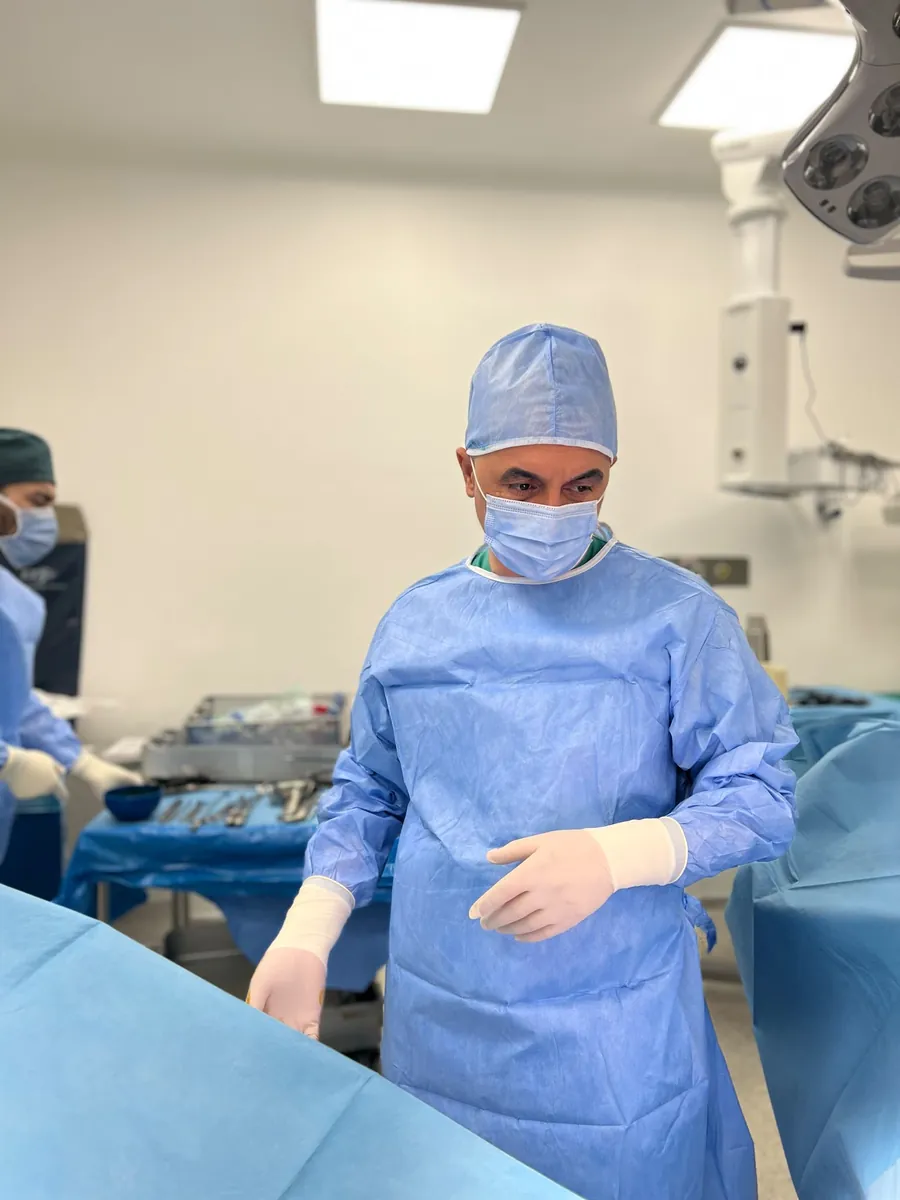
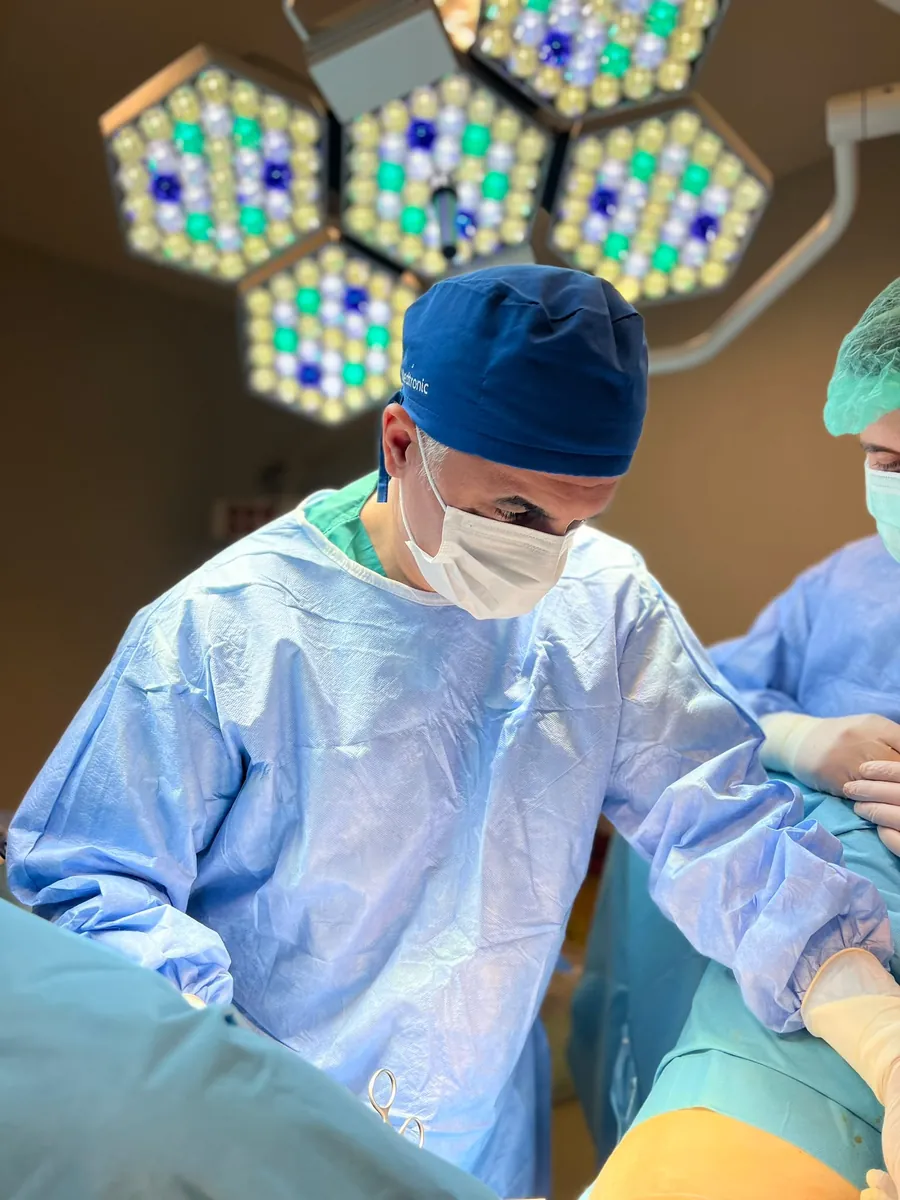
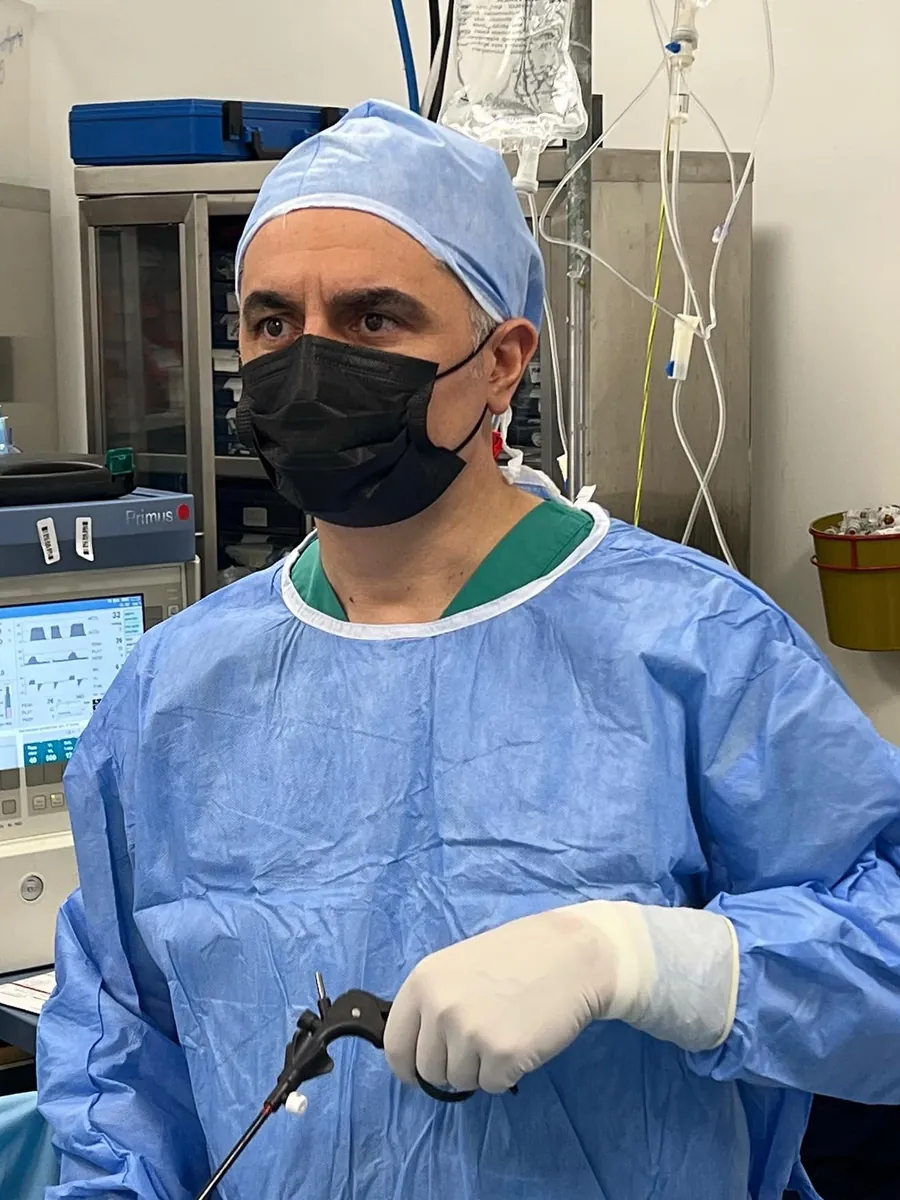
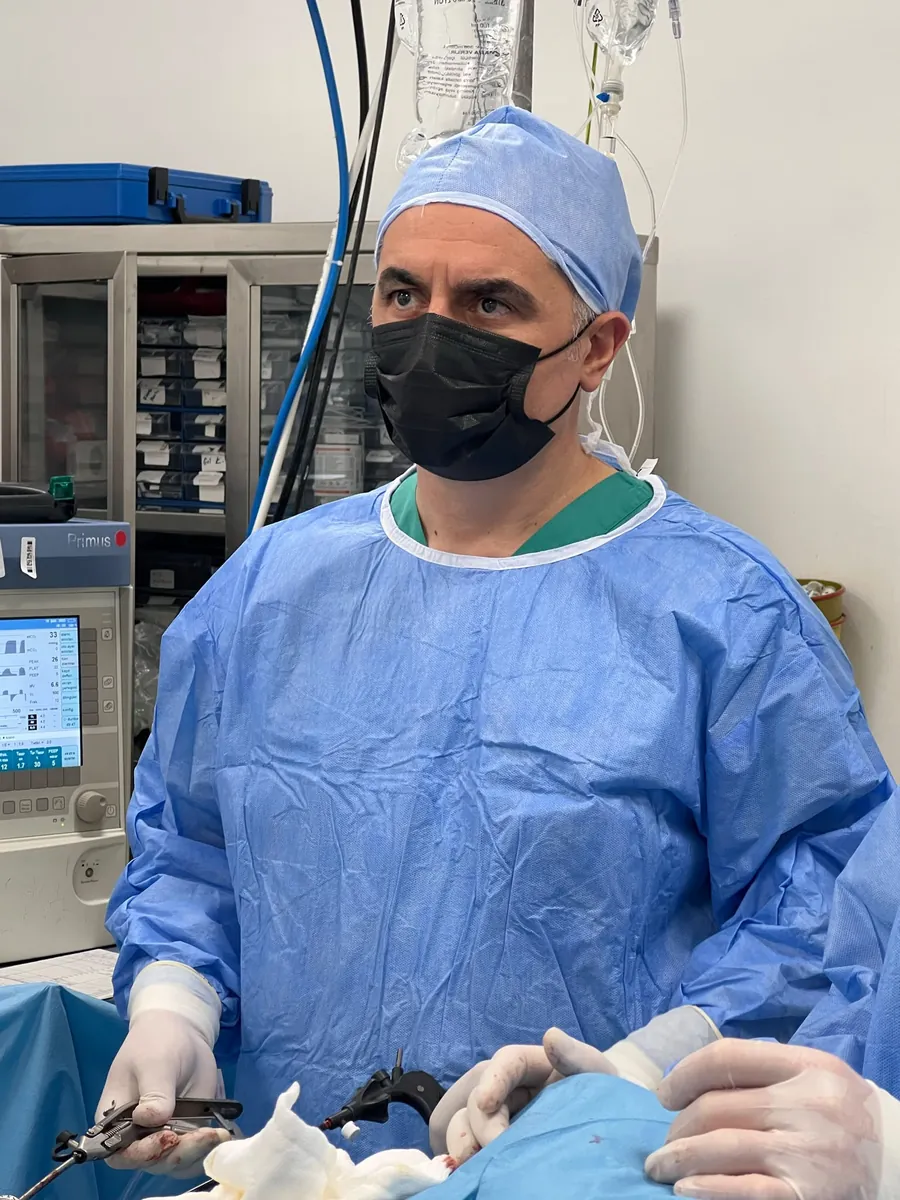
The photographs do not show a patient or a surgical result; they introduce the general surgical environment. In every procedure the method, extent and result vary from person to person.
A clear path from enquiry to treatment
- Initial informationConsultation details are shared by phone or WhatsApp; you can send your ultrasound, MRI and operation reports.
- Consultation and mappingYour history, pain pattern, examination and imaging are assessed together to map the disease.
- Personal treatment planMonitoring, pain management, hormonal treatment, surgery or fertility plans are explained with their advantages and risks.
- Surgery and follow-upRecovery, pathology result and long-term follow-up are planned.
Please bring with you
- Digital copies of your ultrasound and MRI images (not only the reports)
- Reports of previous operations and the pathology result
- A pain diary (days, severity, relation to periods)
- A list of the medication you use
- Previous fertility test results, if any
What is endometriosis?
Endometriosis is a chronic, oestrogen-sensitive disease in which tissue resembling the lining of the uterus (the endometrium) is found outside the uterus. This tissue can lie on or inside the ovaries, on the peritoneum, in the ligaments behind the uterus, between the vagina and the bowel, and in the bowel, bladder and ureters.
It is not cancer. However, it can cause pain, adhesions, ovarian cysts, bowel or urinary symptoms and difficulty conceiving, and it can affect quality of life for many years.
Types of endometriosis
Endometriosis does not have a single appearance, and several forms can exist in the same person. The treatment decision should be based not only on the “stage” number but on the location of the lesions, the complaints they cause, organ function and pregnancy plans.
- Superficial peritoneal endometriosis lies on the lining of the abdominal cavity. It can cause pain even though imaging looks normal.
- Endometrioma (chocolate cyst) is a cyst in the ovary filled with old, dark blood.
- Deep infiltrating endometriosis grows beneath the surface and can involve the uterosacral ligaments, the rectovaginal space, the bowel, bladder or ureter.
What are the symptoms of endometriosis?
Symptoms vary from person to person and can change over time. Some patients experience only severe period pain for years, while others are assessed because of bowel, urinary or pregnancy-related problems. Pain that gets worse with the menstrual cycle is an important clue, but in advanced disease it can become constant.
- Painful periods that do not respond to usual painkillers or that limit school, work or daily life
- Pelvic pain outside periods; pain during intercourse
- Painful bowel movements or bladder symptoms that peak around periods; blood in the stool or urine during periods
- Heavy bleeding, fatigue, bloating
- Difficulty becoming pregnant
Sudden and unbearable abdominal pain, fainting, high fever, persistent vomiting, heavy bleeding or being unable to pass gas or stool may need emergency assessment.
How is endometriosis diagnosed?
Diagnosis starts with a detailed history: the age at which the pain began, its relation to periods, intercourse, bowel and bladder symptoms, pregnancy wishes, earlier operations, medication and family history. Current practice does not require surgery in every patient before treatment can start.
- Examination can reveal tender nodules or fixed organs.
- Specialist transvaginal ultrasound shows endometriomas and many deep lesions. A normal ultrasound does not exclude superficial disease.
- MRI is used to map deep disease and its relation to the bowel, bladder and ureters before surgery.
- Laparoscopy can establish the diagnosis and treat at the same time when surgery is appropriate.
How is endometriosis treatment planned?
There is no single treatment that fits every patient. The aim is to manage pain, quality of life, organ function, sexual health and the pregnancy goal together, not just the lesions seen on imaging. The plan may change over time.
| Approach | When it can be considered | Main limitation |
|---|---|---|
| Monitoring | Mild symptoms, no risk to organs and reassuring imaging | The plan must change if new symptoms or growth appear |
| Pain and hormonal treatment | No pregnancy plan and no contraindication to medication; the goal is symptom control | Symptoms may return after stopping; not suitable while trying to conceive |
| Surgery | Pain despite treatment, a suspicious or growing ovarian mass, bowel or ureteric obstruction, selected infertility | Risks of surgery; recurrence is possible; extent depends on the disease |
| Fertility treatment | When pregnancy is the main goal | Success depends on age and ovarian reserve |
Chocolate cyst and endometriosis
A chocolate cyst is an endometrioma, the particular appearance endometriosis takes in the ovary. The name comes from the thick, dark old blood inside the cyst. Every endometrioma is related to endometriosis, but not every patient with endometriosis has an ovarian cyst.
Not every chocolate cyst needs an operation. The decision depends on symptoms, size, growth, appearance on imaging, ovarian reserve and pregnancy plans. Surgery on the ovary can reduce ovarian reserve, so in patients planning pregnancy the benefit and risk are weighed with particular care.
Deep endometriosis and bowel involvement
Deep endometriosis is a form in which lesions advance into the tissue below the surface and can cause fibrosis around them. The word “deep” does not mean cancer; it describes where the tissue lies. It can involve the ligaments behind the uterus, the rectovaginal space, the bowel, bladder, ureter or pelvic nerves.
Cyclical bowel symptoms (pain on defecation, constipation or diarrhoea, bloating around periods) and bladder symptoms can suggest involvement, but a normal colonoscopy does not exclude it because the disease often lies outside the bowel lining. Surgical planning relies on specialist ultrasound and MRI mapping. Not all bowel disease requires bowel resection: the options range from shaving the lesion to disc excision or segmental resection, chosen according to size, depth and symptoms. Where bowel, ureter or widespread involvement is possible, the aim is to involve the necessary specialties in planning before surgery.
Endometriosis and pregnancy
In some people endometriosis makes it harder to conceive by affecting the movement of the tubes, pelvic anatomy, ovarian reserve and the inflammatory environment. However, not everyone with endometriosis is infertile, and many conceive naturally. The stage of the disease alone does not predict fertility.
When surgery or fertility treatment is considered, age, ovarian reserve, tubal status, the partner’s factors and how long you have been trying are assessed together. Surgery before IVF is not always needed; the decision is individual.
When is endometriosis surgery considered?
Surgery can be considered when pain affecting quality of life persists despite medication, when there is a suspicious or growing ovarian mass, marked anatomical distortion, bowel or ureteric narrowing, risk to kidney function, or in appropriately selected infertility. The patient’s goals and priorities are part of the decision.
Recovery depends on the extent of the procedure: removing limited superficial lesions is not the same as ovarian, bowel or urinary tract surgery. In the first days tiredness, incision pain, shoulder pain from the laparoscopy, gas and temporary changes in bowel habit may occur. Endometriosis is a chronic disease and may return after surgery, so long-term follow-up and, where appropriate, hormonal suppression are planned individually.
Endometriosis from adolescence to menopause
In adolescents, period pain that prevents attending school, continues despite painkillers or causes vomiting or fainting from the first periods should be investigated; a normal ultrasound does not exclude superficial disease. Around menopause, symptoms usually ease, but masses that grow or look different after menopause need a separate assessment.
Common misconceptions about endometriosis
- “Severe period pain is normal.” Pain that stops daily life or keeps getting worse should not be accepted as normal and should be assessed.
- “If the ultrasound is clear, there is no endometriosis.” Superficial disease may not be seen on imaging; symptoms and examination remain important.
- “A hysterectomy ends endometriosis.” Removing the uterus does not remove lesions outside it, so it is not always a cure.
How to prepare for an endometriosis consultation
It is important to bring not only the written reports of previous tests but, if possible, digital copies of the images: details missing from the report can be seen when the images are re-examined. If you have had surgery, bring the operation note and pathology report so we know which lesions were treated. A pain diary (when the pain starts, its relation to the cycle, bowel and bladder, intercourse, medication and its effect, impact on work and sleep) makes the consultation much more useful.
Sources and medical review note
This guide is for general information and does not replace a personal examination or treatment advice. It draws on the following sources:
- World Health Organization – Endometriosis fact sheet
- NICE NG73 – Endometriosis: diagnosis and management
- ESHRE Guideline: Endometriosis
- ACOG Clinical Practice Guideline – Diagnosis of Endometriosis
What patients ask
Is endometriosis the same as a chocolate cyst?
No. A chocolate cyst (endometrioma) is one form of endometriosis in the ovary. Every endometrioma is related to endometriosis, but not everyone with endometriosis has a cyst.
Does a normal ultrasound mean I do not have endometriosis?
No. Superficial endometriosis may not be visible on ultrasound. Symptoms and the clinical examination remain important, and MRI or laparoscopy can add information.
Is laparoscopy necessary for the diagnosis?
Not in every patient. A diagnosis can often be made from the history, examination and imaging, and treatment can start without surgery. Laparoscopy is used when surgery is appropriate or when the diagnosis is still uncertain.
Does endometriosis go away by itself?
It is a chronic disease and usually does not disappear on its own. Symptoms may ease with pregnancy, treatment or menopause, but follow-up is needed.
Can endometriosis be treated without surgery?
Often symptoms can be controlled with medication and pain management; surgery is considered for specific indications such as persistent pain, a suspicious or growing mass or organ involvement.
Is every chocolate cyst operated on?
No. The decision depends on symptoms, size, growth, ovarian reserve and pregnancy plans. Because surgery can reduce ovarian reserve, it is weighed carefully.
Does endometriosis prevent pregnancy?
Not always. It can make conception harder in some people, but many conceive naturally. Your history, age, ovarian reserve and the partner’s factors are assessed together.
Is the bowel always cut in bowel endometriosis?
No. Options range from removing the lesion from the surface to disc excision or segmental resection, chosen according to the size, depth and symptoms. The plan is made after specialist imaging.
Can endometriosis come back after surgery?
Yes, recurrence is possible because it is a chronic disease. Long-term follow-up and, where appropriate, hormonal suppression reduce the risk and are planned individually.
Which doctor should I see for endometriosis?
A gynecologist with experience in endometriosis; for deep disease involving the bowel, bladder or ureters, a surgeon experienced in advanced pelvic surgery who can plan together with other specialties.
Let us review your endometriosis reports together
Bring your imaging and reports to the consultation, or send them on WhatsApp; let us discuss pain, ovarian reserve and pregnancy goals together.
- Appointment line (24/7)+90 (538) 469 81 61
- WhatsAppSend a message
- ClinicCumhuriyet Mah., Halaskargazi Cad., Selamet Apt. No: 93 Kat: 2, Şişli / İstanbul
Open in maps